Buy buylikes.be ?
We are moving the project
buylikes.be .
Are you interested in purchasing the domain
buylikes.be ?
domain@kv-gmbh.de · 0541-91531010
Buy buylikes.be ?
How is youth indoctrination carried out?
Youth indoctrination is often carried out through various methods such as education, media, and socialization. In schools, students may be taught specific ideologies or beliefs through the curriculum and textbooks. The media can also play a significant role in shaping the beliefs and values of young people through advertising, entertainment, and news coverage. Additionally, socialization within families, peer groups, and communities can reinforce certain beliefs and values, leading to the indoctrination of youth. Overall, youth indoctrination is a complex process that involves the influence of various social institutions and interactions. **
Should religious indoctrination of children be banned?
The decision to ban religious indoctrination of children is a complex and sensitive issue. While it is important to protect children from being forced into a specific religious belief system, it is also important to respect the rights of parents to raise their children according to their own beliefs. Instead of an outright ban, efforts should be made to ensure that children are exposed to a variety of religious and non-religious perspectives, and that they are taught critical thinking skills to make their own informed decisions about their beliefs as they grow older. Ultimately, the goal should be to promote tolerance, understanding, and respect for diverse belief systems. **


Similar search terms for Indoctrination
Top-Angebote
Products related to Indoctrination:
-
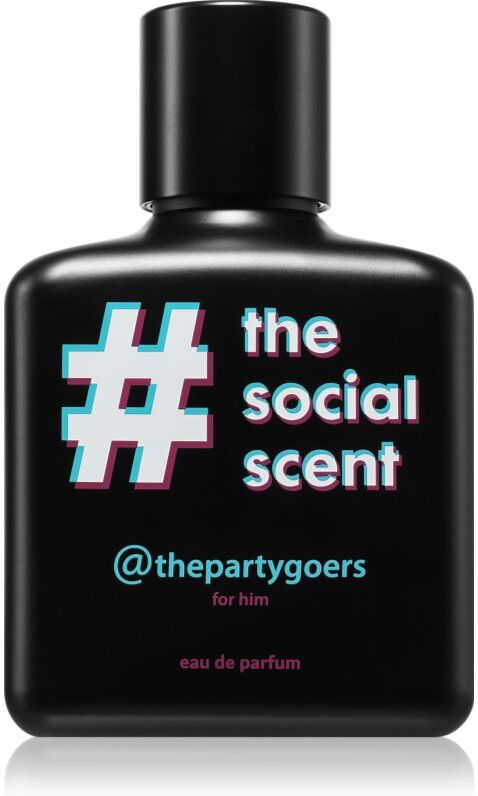
The Social Scent @thepartygoer for him Eau de Parfum pour homme 100 mlThe Social Scent @thepartygoer for him, 100 ml, Eaux de Parfum pour homme, Laissez l'eau de parfum The Social Scent @thepartygoer for him révéler la présence de l’homme que vous êtes, déterminé à obtenir tout ce qu'il désire. Ce parfum plein de sensualité masculine, de séduction et de passion ne laissera personne indifférent. parfum épicé parfum boisé parfum aromatique aux notes d’herbes pour les leaders dynamiques souligne le sex-appeal et la masculinité naturelle parfum de tous les jours24,50 €*Shipping: 3,45 €Secure redirect to the provider
-
The Social Scent @thefashionista for her Eau de Parfum pour femme 100 mlThe Social Scent @thefashionista for her, 100 ml, Eaux de Parfum pour femme, Offrez-vous une véritable dose de fraîcheur tout au long de l’année. L’eau de parfum pour femme The Social Scent @thefashionista for her vous enveloppera d’un parfum rempli de notes d’agrumes, qui vous insufflera de l’énergie et éveillera vos sens. parfum fruité parfum floral parfum boisé destiné aux femmes de caractère et débordantes d’énergie parfum de tous les jours29,30 €*Shipping: 3,45 €Secure redirect to the provider
-
The Social Scent @thefashionista for him Eau de Parfum pour homme 100 mlThe Social Scent @thefashionista for him, 100 ml, Eaux de Parfum pour homme, L’eau de parfum pour homme The Social Scent @thefashionista for him vous fera découvrir la masculinité, la force et l’audace qui sommeillent en vous. Son parfum soulignera à la perfection vos traits masculins au quotidien. parfum aromatique aux notes d’herbes parfum boisé parfum vert il mettra en valeur les hommes qui n'ont pas peur d'être naturels un parfum unique qui se prête aux occasions spéciales29,30 €*Shipping: 3,45 €Secure redirect to the provider



-
What is the difference between indoctrination and manipulation?
Indoctrination involves teaching someone to accept a set of beliefs or ideas without questioning them, often through systematic instruction or persuasion. It is typically associated with influencing someone's beliefs or values to align with a particular ideology or agenda. On the other hand, manipulation involves influencing someone's thoughts, feelings, or behavior in a deceptive or dishonest way to achieve a specific outcome. Manipulation often involves using tactics such as deceit, coercion, or emotional exploitation to control or influence someone's actions. While both indoctrination and manipulation involve influencing others, the key difference lies in the level of transparency and honesty in the process. **
-
What is the difference between indoctrination and propaganda?
Indoctrination involves the process of teaching a person or group to accept a set of beliefs without questioning them, often in a coercive or manipulative manner. It is typically associated with a specific ideology, religion, or political system. On the other hand, propaganda is the dissemination of information, ideas, or rumors to influence public opinion and promote a particular agenda. While indoctrination focuses on instilling specific beliefs, propaganda aims to shape perceptions and attitudes through various forms of communication. Both indoctrination and propaganda can be used to manipulate and control people's thoughts and behaviors, but they operate in slightly different ways. **
-
Is there left-wing green indoctrination in schools?
There is a perception among some individuals that schools may promote left-wing green indoctrination, particularly in the context of environmental education. However, it is important to recognize that teaching about environmental issues and promoting sustainability is not inherently left-wing or indoctrination. It is the responsibility of schools to provide balanced and evidence-based education on environmental topics, allowing students to develop their own critical thinking skills and form their own opinions. It is important for educators to present a variety of perspectives and encourage open discussion on these issues. **
-
Is it right to protect children from indoctrination by imposing penalties?
It is important to protect children from harmful indoctrination, but imposing penalties may not always be the most effective solution. It is crucial to strike a balance between protecting children's well-being and respecting freedom of speech and belief. Instead of penalties, education and open dialogue can be more effective in helping children develop critical thinking skills and make informed decisions for themselves. Ultimately, it is important to consider the specific circumstances and potential consequences before imposing penalties in order to ensure the best interests of the children are being served. **


What does the left-green indoctrination in schools and universities look like?
Left-green indoctrination in schools and universities often involves promoting a specific set of political and environmental beliefs, such as advocating for social justice, environmental sustainability, and anti-capitalist ideologies. This can manifest in the curriculum through the emphasis on certain historical events, literature, and scientific theories that align with these beliefs. Additionally, students may be encouraged to participate in activism and protests related to these issues, and dissenting viewpoints may be marginalized or dismissed. Overall, the goal of left-green indoctrination is to shape students' perspectives and values in line with these particular ideologies. **
How does the indoctrination of children by their parents in relation to transgender take place?
The indoctrination of children by their parents in relation to transgender can take place through various means. Parents may actively teach their children about gender identity and expression, using age-appropriate language and resources to help them understand and accept transgender individuals. They may also model inclusive behavior and attitudes, creating an environment where their children feel comfortable asking questions and expressing themselves. Additionally, parents may expose their children to diverse media and community experiences that showcase transgender individuals in a positive light, helping to normalize and destigmatize transgender identities. Overall, the indoctrination process involves open communication, education, and the promotion of empathy and acceptance. **
Top-Angebote
Products related to Indoctrination:
-
Jeanne Arthes Social Club déodorant en spray pour homme 200 mlJeanne Arthes Social Club, 200 ml, Déodorants et anti-transpirants pour homme, Plus besoin de vous soucier d’harmoniser votre déodorant à votre parfum préféré. Le déodorant Jeanne Arthes Social Club vous fournira une protection fiable contre la transpiration, en formant un duo idéal avec le parfum de la même gamme. Le produit : complète le parfum de la même série renforce l'intensité du parfum de la même gamme Idéal comme cadeau avec le parfum plaira à tous les hommes protège efficacement contre la transpiration neutralise les odeurs offre une sensation de confort et de propreté qui perdure2,70 €*Shipping: 3,45 €Secure redirect to the provider
-
The Social Scent @thepartygoer for him Eau de Parfum pour homme 100 mlThe Social Scent @thepartygoer for him, 100 ml, Eaux de Parfum pour homme, Laissez l'eau de parfum The Social Scent @thepartygoer for him révéler la présence de l’homme que vous êtes, déterminé à obtenir tout ce qu'il désire. Ce parfum plein de sensualité masculine, de séduction et de passion ne laissera personne indifférent. parfum épicé parfum boisé parfum aromatique aux notes d’herbes pour les leaders dynamiques souligne le sex-appeal et la masculinité naturelle parfum de tous les jours24,50 €*Shipping: 3,45 €Secure redirect to the provider
-
How is youth indoctrination carried out?
Youth indoctrination is often carried out through various methods such as education, media, and socialization. In schools, students may be taught specific ideologies or beliefs through the curriculum and textbooks. The media can also play a significant role in shaping the beliefs and values of young people through advertising, entertainment, and news coverage. Additionally, socialization within families, peer groups, and communities can reinforce certain beliefs and values, leading to the indoctrination of youth. Overall, youth indoctrination is a complex process that involves the influence of various social institutions and interactions. **
-
Should religious indoctrination of children be banned?
The decision to ban religious indoctrination of children is a complex and sensitive issue. While it is important to protect children from being forced into a specific religious belief system, it is also important to respect the rights of parents to raise their children according to their own beliefs. Instead of an outright ban, efforts should be made to ensure that children are exposed to a variety of religious and non-religious perspectives, and that they are taught critical thinking skills to make their own informed decisions about their beliefs as they grow older. Ultimately, the goal should be to promote tolerance, understanding, and respect for diverse belief systems. **
-
What is the difference between indoctrination and manipulation?
Indoctrination involves teaching someone to accept a set of beliefs or ideas without questioning them, often through systematic instruction or persuasion. It is typically associated with influencing someone's beliefs or values to align with a particular ideology or agenda. On the other hand, manipulation involves influencing someone's thoughts, feelings, or behavior in a deceptive or dishonest way to achieve a specific outcome. Manipulation often involves using tactics such as deceit, coercion, or emotional exploitation to control or influence someone's actions. While both indoctrination and manipulation involve influencing others, the key difference lies in the level of transparency and honesty in the process. **
-
What is the difference between indoctrination and propaganda?
Indoctrination involves the process of teaching a person or group to accept a set of beliefs without questioning them, often in a coercive or manipulative manner. It is typically associated with a specific ideology, religion, or political system. On the other hand, propaganda is the dissemination of information, ideas, or rumors to influence public opinion and promote a particular agenda. While indoctrination focuses on instilling specific beliefs, propaganda aims to shape perceptions and attitudes through various forms of communication. Both indoctrination and propaganda can be used to manipulate and control people's thoughts and behaviors, but they operate in slightly different ways. **
Similar search terms for Indoctrination
-
The Social Scent @thefashionista for her Eau de Parfum pour femme 100 mlThe Social Scent @thefashionista for her, 100 ml, Eaux de Parfum pour femme, Offrez-vous une véritable dose de fraîcheur tout au long de l’année. L’eau de parfum pour femme The Social Scent @thefashionista for her vous enveloppera d’un parfum rempli de notes d’agrumes, qui vous insufflera de l’énergie et éveillera vos sens. parfum fruité parfum floral parfum boisé destiné aux femmes de caractère et débordantes d’énergie parfum de tous les jours29,30 €*Shipping: 3,45 €Secure redirect to the provider
-
The Social Scent @thefashionista for him Eau de Parfum pour homme 100 mlThe Social Scent @thefashionista for him, 100 ml, Eaux de Parfum pour homme, L’eau de parfum pour homme The Social Scent @thefashionista for him vous fera découvrir la masculinité, la force et l’audace qui sommeillent en vous. Son parfum soulignera à la perfection vos traits masculins au quotidien. parfum aromatique aux notes d’herbes parfum boisé parfum vert il mettra en valeur les hommes qui n'ont pas peur d'être naturels un parfum unique qui se prête aux occasions spéciales29,30 €*Shipping: 3,45 €Secure redirect to the provider
-
Is there left-wing green indoctrination in schools?
There is a perception among some individuals that schools may promote left-wing green indoctrination, particularly in the context of environmental education. However, it is important to recognize that teaching about environmental issues and promoting sustainability is not inherently left-wing or indoctrination. It is the responsibility of schools to provide balanced and evidence-based education on environmental topics, allowing students to develop their own critical thinking skills and form their own opinions. It is important for educators to present a variety of perspectives and encourage open discussion on these issues. **
-
Is it right to protect children from indoctrination by imposing penalties?
It is important to protect children from harmful indoctrination, but imposing penalties may not always be the most effective solution. It is crucial to strike a balance between protecting children's well-being and respecting freedom of speech and belief. Instead of penalties, education and open dialogue can be more effective in helping children develop critical thinking skills and make informed decisions for themselves. Ultimately, it is important to consider the specific circumstances and potential consequences before imposing penalties in order to ensure the best interests of the children are being served. **
-
What does the left-green indoctrination in schools and universities look like?
Left-green indoctrination in schools and universities often involves promoting a specific set of political and environmental beliefs, such as advocating for social justice, environmental sustainability, and anti-capitalist ideologies. This can manifest in the curriculum through the emphasis on certain historical events, literature, and scientific theories that align with these beliefs. Additionally, students may be encouraged to participate in activism and protests related to these issues, and dissenting viewpoints may be marginalized or dismissed. Overall, the goal of left-green indoctrination is to shape students' perspectives and values in line with these particular ideologies. **
-
How does the indoctrination of children by their parents in relation to transgender take place?
The indoctrination of children by their parents in relation to transgender can take place through various means. Parents may actively teach their children about gender identity and expression, using age-appropriate language and resources to help them understand and accept transgender individuals. They may also model inclusive behavior and attitudes, creating an environment where their children feel comfortable asking questions and expressing themselves. Additionally, parents may expose their children to diverse media and community experiences that showcase transgender individuals in a positive light, helping to normalize and destigmatize transgender identities. Overall, the indoctrination process involves open communication, education, and the promotion of empathy and acceptance. **
* All prices are inclusive of VAT and, if applicable, plus shipping costs. The offer information is based on the details provided by the respective shop and is updated through automated processes. Real-time updates do not occur, so deviations can occur in individual cases. ** Note: Parts of this content were created by AI.