Buy buylikes.be ?
We are moving the project
buylikes.be .
Are you interested in purchasing the domain
buylikes.be ?
domain@kv-gmbh.de · 0541-91531010
Buy buylikes.be ?
How can one detoxify microplastics?
One way to detoxify microplastics is through the use of activated charcoal. Activated charcoal has a porous structure that can trap and bind to toxins, including microplastics, and help remove them from the body. Another method is to consume foods and supplements that support the body's natural detoxification processes, such as antioxidants and fiber-rich foods. Additionally, reducing exposure to sources of microplastics, such as single-use plastics and contaminated water, can help prevent further accumulation in the body. **
How can microplastics be made visible?
Microplastics can be made visible through various methods such as using specialized equipment like microscopes or infrared spectroscopy to detect and analyze them. Additionally, researchers can use fluorescent dyes that bind specifically to microplastics, making them easier to see under certain lighting conditions. Another method is filtering water samples and examining the residue left behind, as microplastics will be captured on the filter. Overall, a combination of techniques is often used to effectively visualize and quantify microplastics in different environments. **

Similar search terms for Microplastics
Top-Angebote
Products related to Microplastics:
-
The Social Scent @thepartygoer for him Eau de Parfum pour homme 100 mlThe Social Scent @thepartygoer for him, 100 ml, Eaux de Parfum pour homme, Laissez l'eau de parfum The Social Scent @thepartygoer for him révéler la présence de l’homme que vous êtes, déterminé à obtenir tout ce qu'il désire. Ce parfum plein de sensualité masculine, de séduction et de passion ne laissera personne indifférent. parfum épicé parfum boisé parfum aromatique aux notes d’herbes pour les leaders dynamiques souligne le sex-appeal et la masculinité naturelle parfum de tous les jours24,50 €*Shipping: 3,45 €Secure redirect to the provider
-
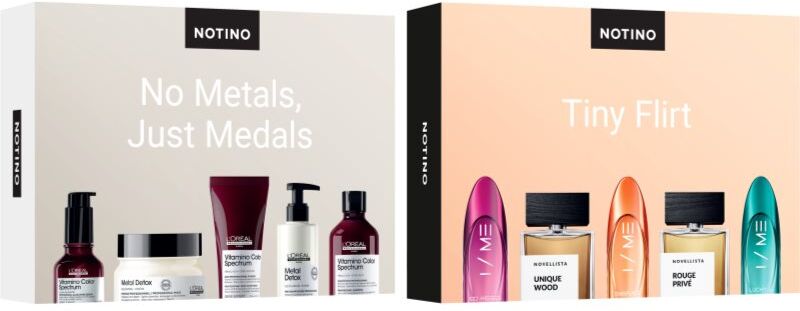
Beauty Set Confidence Boost Kit conditionnement avantageuxBeauty Set Confidence Boost Kit, 0 , Coffret unisexe mixte, Découvrez un coffret pratique de produits qui embelliront votre quotidien. Le coffret Beauty Set Confidence Boost Kit facilite votre choix, en proposant une sélection de vos articles préférés, désormais réunis dans un seul et même emballage. L'ensemble contient: Beauty Discovery Box Notino Tiny Flirt ensemble 1 pcs Beauty Discovery Box Notino No Metals, Just Medals ensemble8,00 €*Shipping: 3,45 €Secure redirect to the provider
-
PEPE JEANS Baskets mix matières BRIT BOOSTDétails produit • Usage sportswear • Talon plat • Fermeture : A lacets Composition et Entretien • Dessus/Tige : 50% polyamide, 45% cuir suédé, 5% cuir • Doublure : 60% polyuréthane, 40% polyester • Semelle intérieure : 100% polyester • Semelle extérieure : 100% caoutchouc94,90 €*Shipping: 3,99 €Secure redirect to the provider


-
How can one make microplastics visible?
Microplastics can be made visible through the use of specialized equipment such as microscopes or infrared cameras. By magnifying the sample, microplastics that are too small to be seen with the naked eye can be identified and counted. Additionally, specific dyes or fluorescent markers can be used to stain the microplastics, making them easier to detect under certain lighting conditions. Sampling techniques such as filtration or sedimentation can also help concentrate microplastics from a larger sample, making them more visible for analysis. **
-
What is in wastewater: microplastics and silicones?
Wastewater can contain microplastics, which are tiny pieces of plastic less than 5mm in size that come from various sources such as personal care products, clothing, and packaging. Silicones are another common component found in wastewater, which are synthetic compounds used in a variety of products like shampoos, conditioners, and cosmetics. Both microplastics and silicones can pose environmental risks as they can accumulate in water bodies, harm aquatic life, and potentially enter the food chain. **
-
What is in the wastewater: microplastics and silicones?
Wastewater can contain microplastics, which are tiny plastic particles that come from a variety of sources such as clothing fibers, packaging materials, and personal care products. These microplastics can enter the wastewater system through activities like washing clothes or using personal care products. Additionally, silicones, which are synthetic polymers often used in personal care products and industrial processes, can also be found in wastewater. Both microplastics and silicones can pose environmental and health risks, making it important to address their presence in wastewater treatment processes. **
-
Do we all have microplastics in our bodies?
Yes, studies have found that microplastics have been detected in human bodies through various means such as in the gut, lungs, and even in placental tissue. These microplastics can enter our bodies through ingestion of contaminated food and water, as well as through inhalation of airborne particles. While the health impacts of microplastics in our bodies are still being studied, it is clear that they are pervasive in the environment and can accumulate in our bodies over time. **


What can be done about microplastics in the oceans?
To address the issue of microplastics in the oceans, several measures can be taken. Firstly, reducing the use of single-use plastics and promoting the use of biodegradable alternatives can help prevent the entry of more plastic into the oceans. Additionally, implementing proper waste management and recycling systems can help reduce the amount of plastic waste that ends up in the oceans. Furthermore, conducting clean-up operations and developing technologies to remove existing microplastics from the oceans can also be effective in mitigating the problem. Finally, raising awareness and educating the public about the impact of microplastics on marine ecosystems can help drive individual and collective action to address the issue. **
What is the difference between primary and secondary microplastics?
Primary microplastics are small plastic particles that are intentionally produced for use in products such as exfoliating scrubs, industrial abrasives, and air blasting. Secondary microplastics are the result of the breakdown of larger plastic items, such as water bottles, packaging materials, and fishing nets, due to weathering, sunlight, and mechanical action. Both types of microplastics can have negative impacts on the environment and wildlife, but primary microplastics are directly introduced into the environment, while secondary microplastics result from the degradation of larger plastic items. **
Top-Angebote
Products related to Microplastics:
-
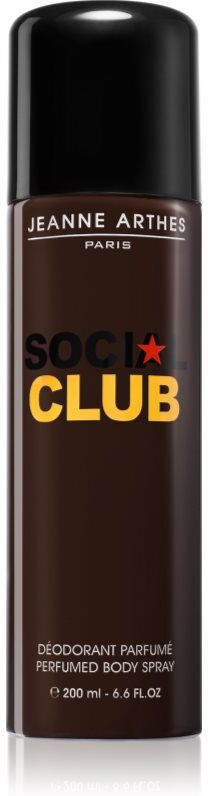
Jeanne Arthes Social Club déodorant en spray pour homme 200 mlJeanne Arthes Social Club, 200 ml, Déodorants et anti-transpirants pour homme, Plus besoin de vous soucier d’harmoniser votre déodorant à votre parfum préféré. Le déodorant Jeanne Arthes Social Club vous fournira une protection fiable contre la transpiration, en formant un duo idéal avec le parfum de la même gamme. Le produit : complète le parfum de la même série renforce l'intensité du parfum de la même gamme Idéal comme cadeau avec le parfum plaira à tous les hommes protège efficacement contre la transpiration neutralise les odeurs offre une sensation de confort et de propreté qui perdure2,70 €*Shipping: 3,45 €Secure redirect to the provider
-
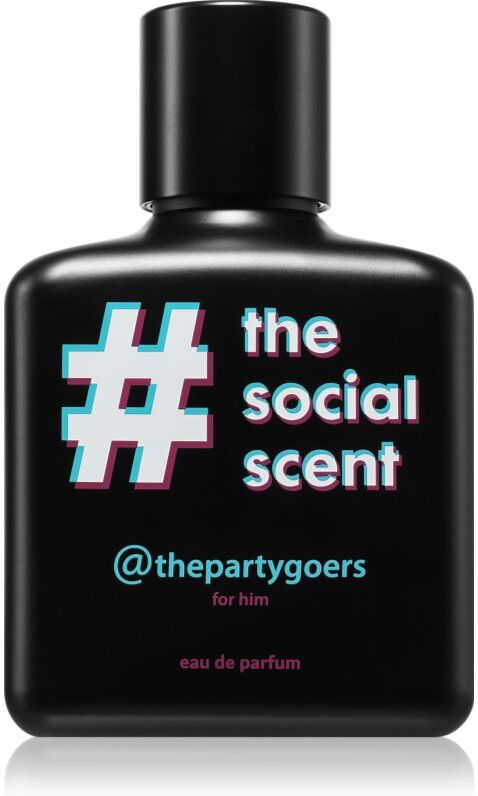
The Social Scent @thepartygoer for him Eau de Parfum pour homme 100 mlThe Social Scent @thepartygoer for him, 100 ml, Eaux de Parfum pour homme, Laissez l'eau de parfum The Social Scent @thepartygoer for him révéler la présence de l’homme que vous êtes, déterminé à obtenir tout ce qu'il désire. Ce parfum plein de sensualité masculine, de séduction et de passion ne laissera personne indifférent. parfum épicé parfum boisé parfum aromatique aux notes d’herbes pour les leaders dynamiques souligne le sex-appeal et la masculinité naturelle parfum de tous les jours24,50 €*Shipping: 3,45 €Secure redirect to the provider
-
How can one detoxify microplastics?
One way to detoxify microplastics is through the use of activated charcoal. Activated charcoal has a porous structure that can trap and bind to toxins, including microplastics, and help remove them from the body. Another method is to consume foods and supplements that support the body's natural detoxification processes, such as antioxidants and fiber-rich foods. Additionally, reducing exposure to sources of microplastics, such as single-use plastics and contaminated water, can help prevent further accumulation in the body. **
-
How can microplastics be made visible?
Microplastics can be made visible through various methods such as using specialized equipment like microscopes or infrared spectroscopy to detect and analyze them. Additionally, researchers can use fluorescent dyes that bind specifically to microplastics, making them easier to see under certain lighting conditions. Another method is filtering water samples and examining the residue left behind, as microplastics will be captured on the filter. Overall, a combination of techniques is often used to effectively visualize and quantify microplastics in different environments. **
-
How can one make microplastics visible?
Microplastics can be made visible through the use of specialized equipment such as microscopes or infrared cameras. By magnifying the sample, microplastics that are too small to be seen with the naked eye can be identified and counted. Additionally, specific dyes or fluorescent markers can be used to stain the microplastics, making them easier to detect under certain lighting conditions. Sampling techniques such as filtration or sedimentation can also help concentrate microplastics from a larger sample, making them more visible for analysis. **
-
What is in wastewater: microplastics and silicones?
Wastewater can contain microplastics, which are tiny pieces of plastic less than 5mm in size that come from various sources such as personal care products, clothing, and packaging. Silicones are another common component found in wastewater, which are synthetic compounds used in a variety of products like shampoos, conditioners, and cosmetics. Both microplastics and silicones can pose environmental risks as they can accumulate in water bodies, harm aquatic life, and potentially enter the food chain. **
Similar search terms for Microplastics
-
Beauty Set Confidence Boost Kit conditionnement avantageuxBeauty Set Confidence Boost Kit, 0 , Coffret unisexe mixte, Découvrez un coffret pratique de produits qui embelliront votre quotidien. Le coffret Beauty Set Confidence Boost Kit facilite votre choix, en proposant une sélection de vos articles préférés, désormais réunis dans un seul et même emballage. L'ensemble contient: Beauty Discovery Box Notino Tiny Flirt ensemble 1 pcs Beauty Discovery Box Notino No Metals, Just Medals ensemble8,00 €*Shipping: 3,45 €Secure redirect to the provider
-
PEPE JEANS Baskets mix matières BRIT BOOSTDétails produit • Usage sportswear • Talon plat • Fermeture : A lacets Composition et Entretien • Dessus/Tige : 50% polyamide, 45% cuir suédé, 5% cuir • Doublure : 60% polyuréthane, 40% polyester • Semelle intérieure : 100% polyester • Semelle extérieure : 100% caoutchouc94,90 €*Shipping: 3,99 €Secure redirect to the provider
-
Jungle Way Discovery set Boost Your Life encensJungle Way Discovery set Boost Your Life, 4x5 g, Oliban et encens Parfum d'ambiance, Le bâton de fumigation Jungle Way Discovery set Boost Your Life vous permet de faire entrer des ondes positives dans votre quotidien. Sa fumée légère et son parfum harmonisant vous garantissent une expérience aromathérapeutique puissante et une ambiance relaxante. Transformez votre intérieur en une oasis emplie de senteurs purifiantes qui vous aideront à trouver la paix intérieure et à oublier le stress de la vie de tous les jours. Le produit : une sélection de fragrances chaleureusement épicées une sélection de parfums gourmands et exclusifs une sélection de fragrances florales sensuelles une sélection de fragrances hespéridées rafraîchissantes parfum frais L'ensemble contient: Attract Money encens 5 g Deep Relax encens 5 g Open Heart encens 5 g Creative Thoughts encens 5 g28,90 €*Shipping: 3,45 €Secure redirect to the provider
-
What is in the wastewater: microplastics and silicones?
Wastewater can contain microplastics, which are tiny plastic particles that come from a variety of sources such as clothing fibers, packaging materials, and personal care products. These microplastics can enter the wastewater system through activities like washing clothes or using personal care products. Additionally, silicones, which are synthetic polymers often used in personal care products and industrial processes, can also be found in wastewater. Both microplastics and silicones can pose environmental and health risks, making it important to address their presence in wastewater treatment processes. **
-
Do we all have microplastics in our bodies?
Yes, studies have found that microplastics have been detected in human bodies through various means such as in the gut, lungs, and even in placental tissue. These microplastics can enter our bodies through ingestion of contaminated food and water, as well as through inhalation of airborne particles. While the health impacts of microplastics in our bodies are still being studied, it is clear that they are pervasive in the environment and can accumulate in our bodies over time. **
-
What can be done about microplastics in the oceans?
To address the issue of microplastics in the oceans, several measures can be taken. Firstly, reducing the use of single-use plastics and promoting the use of biodegradable alternatives can help prevent the entry of more plastic into the oceans. Additionally, implementing proper waste management and recycling systems can help reduce the amount of plastic waste that ends up in the oceans. Furthermore, conducting clean-up operations and developing technologies to remove existing microplastics from the oceans can also be effective in mitigating the problem. Finally, raising awareness and educating the public about the impact of microplastics on marine ecosystems can help drive individual and collective action to address the issue. **
-
What is the difference between primary and secondary microplastics?
Primary microplastics are small plastic particles that are intentionally produced for use in products such as exfoliating scrubs, industrial abrasives, and air blasting. Secondary microplastics are the result of the breakdown of larger plastic items, such as water bottles, packaging materials, and fishing nets, due to weathering, sunlight, and mechanical action. Both types of microplastics can have negative impacts on the environment and wildlife, but primary microplastics are directly introduced into the environment, while secondary microplastics result from the degradation of larger plastic items. **
* All prices are inclusive of VAT and, if applicable, plus shipping costs. The offer information is based on the details provided by the respective shop and is updated through automated processes. Real-time updates do not occur, so deviations can occur in individual cases. ** Note: Parts of this content were created by AI.