Buy buylikes.be ?
We are moving the project
buylikes.be .
Are you interested in purchasing the domain
buylikes.be ?
domain@kv-gmbh.de · 0541-91531010
Buy buylikes.be ?
What is the probability of promotion?
The probability of promotion depends on various factors such as performance, qualifications, availability of positions, and competition within the organization. It is difficult to provide an exact probability without knowing specific details about the individual and the organization. Generally, employees who consistently perform well, have relevant skills and experience, and actively seek opportunities for advancement are more likely to be considered for promotion. It is important to communicate with supervisors, set clear career goals, and continuously improve skills to increase the probability of promotion. **
What distinguishes conditional probability from independent probability?
Conditional probability is the probability of an event occurring given that another event has already occurred. It takes into account the information about the occurrence of one event when calculating the probability of another event. Independent probability, on the other hand, is the probability of one event occurring without any influence from the occurrence of another event. In other words, conditional probability is influenced by the occurrence of a specific event, while independent probability is not influenced by any other event. **

Similar search terms for Probability
Top-Angebote
Products related to Probability:
-
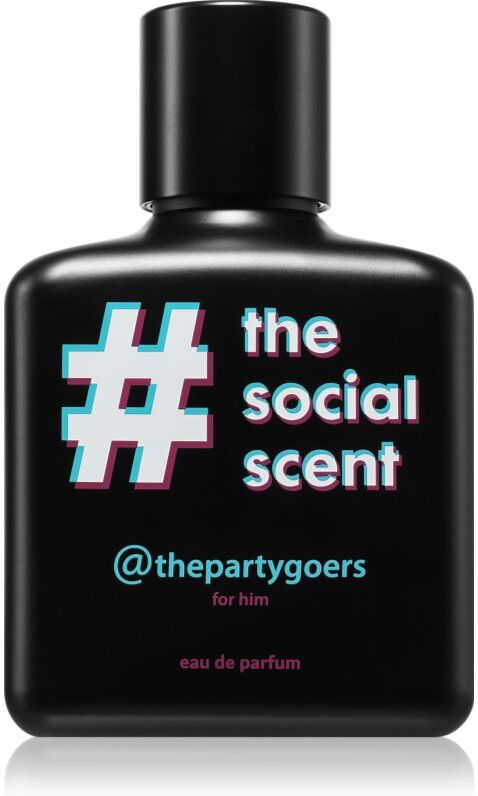
The Social Scent @thepartygoer for him Eau de Parfum pour homme 100 mlThe Social Scent @thepartygoer for him, 100 ml, Eaux de Parfum pour homme, Laissez l'eau de parfum The Social Scent @thepartygoer for him révéler la présence de l’homme que vous êtes, déterminé à obtenir tout ce qu'il désire. Ce parfum plein de sensualité masculine, de séduction et de passion ne laissera personne indifférent. parfum épicé parfum boisé parfum aromatique aux notes d’herbes pour les leaders dynamiques souligne le sex-appeal et la masculinité naturelle parfum de tous les jours24,50 €*Shipping: 3,45 €Secure redirect to the provider
-
The Social Scent @thefashionista for her Eau de Parfum pour femme 100 mlThe Social Scent @thefashionista for her, 100 ml, Eaux de Parfum pour femme, Offrez-vous une véritable dose de fraîcheur tout au long de l’année. L’eau de parfum pour femme The Social Scent @thefashionista for her vous enveloppera d’un parfum rempli de notes d’agrumes, qui vous insufflera de l’énergie et éveillera vos sens. parfum fruité parfum floral parfum boisé destiné aux femmes de caractère et débordantes d’énergie parfum de tous les jours29,30 €*Shipping: 3,45 €Secure redirect to the provider
-
The Social Scent @thefashionista for him Eau de Parfum pour homme 100 mlThe Social Scent @thefashionista for him, 100 ml, Eaux de Parfum pour homme, L’eau de parfum pour homme The Social Scent @thefashionista for him vous fera découvrir la masculinité, la force et l’audace qui sommeillent en vous. Son parfum soulignera à la perfection vos traits masculins au quotidien. parfum aromatique aux notes d’herbes parfum boisé parfum vert il mettra en valeur les hommes qui n'ont pas peur d'être naturels un parfum unique qui se prête aux occasions spéciales29,30 €*Shipping: 3,45 €Secure redirect to the provider



-
What is a probability space in probability theory?
A probability space in probability theory consists of three components: a sample space, an event space, and a probability measure. The sample space is the set of all possible outcomes of an experiment, the event space is a collection of subsets of the sample space representing different events, and the probability measure assigns a probability to each event in the event space. Together, these components define the mathematical framework for analyzing the likelihood of different outcomes in a probabilistic setting. **
-
What are the rules of probability in probability theory?
In probability theory, the rules of probability govern how probabilities are calculated and combined. The rules include the addition rule, which states that the probability of either of two mutually exclusive events occurring is the sum of their individual probabilities. The multiplication rule is used to calculate the probability of two independent events both occurring. Additionally, the complement rule states that the probability of an event not occurring is 1 minus the probability of the event occurring. These rules are fundamental in determining the likelihood of different outcomes in various situations. **
-
How do you correctly calculate probability in probability theory?
In probability theory, the probability of an event occurring is calculated by dividing the number of favorable outcomes by the total number of possible outcomes. This can be represented as P(A) = (Number of favorable outcomes) / (Total number of possible outcomes). It is important to ensure that all possible outcomes are accounted for and that the favorable outcomes are correctly identified. Additionally, the probability of multiple events occurring can be calculated using the multiplication rule for independent events or the addition rule for mutually exclusive events. **
-
What is the probability in percent in probability theory?
In probability theory, the probability of an event is a measure of the likelihood that the event will occur. It is usually expressed as a number between 0 and 1, or as a percentage between 0% and 100%. A probability of 0% means the event is impossible, while a probability of 100% means the event is certain to occur. The probability of an event can be calculated using various methods, such as counting outcomes, using probability distributions, or applying statistical techniques. **


With what probability?
With what probability? The probability of an event occurring is a measure of how likely it is to happen, expressed as a number between 0 and 1. The probability of an event that is certain to happen is 1, while the probability of an event that is impossible is 0. Probabilities between 0 and 1 indicate the likelihood of an event occurring, with higher probabilities indicating a greater likelihood. **
Internship or social engagement?
Choosing between an internship and social engagement depends on your goals and priorities. If you are looking to gain professional experience and build your resume, an internship may be the better option. However, if you are passionate about making a difference in your community and want to contribute to social causes, then social engagement could be more fulfilling. Ultimately, it's important to consider what will benefit you the most in the long run and align with your values and interests. **
Top-Angebote
Products related to Probability:
-
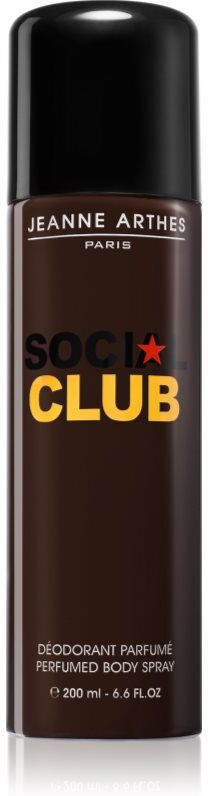
Jeanne Arthes Social Club déodorant en spray pour homme 200 mlJeanne Arthes Social Club, 200 ml, Déodorants et anti-transpirants pour homme, Plus besoin de vous soucier d’harmoniser votre déodorant à votre parfum préféré. Le déodorant Jeanne Arthes Social Club vous fournira une protection fiable contre la transpiration, en formant un duo idéal avec le parfum de la même gamme. Le produit : complète le parfum de la même série renforce l'intensité du parfum de la même gamme Idéal comme cadeau avec le parfum plaira à tous les hommes protège efficacement contre la transpiration neutralise les odeurs offre une sensation de confort et de propreté qui perdure2,70 €*Shipping: 3,45 €Secure redirect to the provider
-
The Social Scent @thepartygoer for him Eau de Parfum pour homme 100 mlThe Social Scent @thepartygoer for him, 100 ml, Eaux de Parfum pour homme, Laissez l'eau de parfum The Social Scent @thepartygoer for him révéler la présence de l’homme que vous êtes, déterminé à obtenir tout ce qu'il désire. Ce parfum plein de sensualité masculine, de séduction et de passion ne laissera personne indifférent. parfum épicé parfum boisé parfum aromatique aux notes d’herbes pour les leaders dynamiques souligne le sex-appeal et la masculinité naturelle parfum de tous les jours24,50 €*Shipping: 3,45 €Secure redirect to the provider
-
What is the probability of promotion?
The probability of promotion depends on various factors such as performance, qualifications, availability of positions, and competition within the organization. It is difficult to provide an exact probability without knowing specific details about the individual and the organization. Generally, employees who consistently perform well, have relevant skills and experience, and actively seek opportunities for advancement are more likely to be considered for promotion. It is important to communicate with supervisors, set clear career goals, and continuously improve skills to increase the probability of promotion. **
-
What distinguishes conditional probability from independent probability?
Conditional probability is the probability of an event occurring given that another event has already occurred. It takes into account the information about the occurrence of one event when calculating the probability of another event. Independent probability, on the other hand, is the probability of one event occurring without any influence from the occurrence of another event. In other words, conditional probability is influenced by the occurrence of a specific event, while independent probability is not influenced by any other event. **
-
What is a probability space in probability theory?
A probability space in probability theory consists of three components: a sample space, an event space, and a probability measure. The sample space is the set of all possible outcomes of an experiment, the event space is a collection of subsets of the sample space representing different events, and the probability measure assigns a probability to each event in the event space. Together, these components define the mathematical framework for analyzing the likelihood of different outcomes in a probabilistic setting. **
-
What are the rules of probability in probability theory?
In probability theory, the rules of probability govern how probabilities are calculated and combined. The rules include the addition rule, which states that the probability of either of two mutually exclusive events occurring is the sum of their individual probabilities. The multiplication rule is used to calculate the probability of two independent events both occurring. Additionally, the complement rule states that the probability of an event not occurring is 1 minus the probability of the event occurring. These rules are fundamental in determining the likelihood of different outcomes in various situations. **
Similar search terms for Probability
-
The Social Scent @thefashionista for her Eau de Parfum pour femme 100 mlThe Social Scent @thefashionista for her, 100 ml, Eaux de Parfum pour femme, Offrez-vous une véritable dose de fraîcheur tout au long de l’année. L’eau de parfum pour femme The Social Scent @thefashionista for her vous enveloppera d’un parfum rempli de notes d’agrumes, qui vous insufflera de l’énergie et éveillera vos sens. parfum fruité parfum floral parfum boisé destiné aux femmes de caractère et débordantes d’énergie parfum de tous les jours29,30 €*Shipping: 3,45 €Secure redirect to the provider
-
The Social Scent @thefashionista for him Eau de Parfum pour homme 100 mlThe Social Scent @thefashionista for him, 100 ml, Eaux de Parfum pour homme, L’eau de parfum pour homme The Social Scent @thefashionista for him vous fera découvrir la masculinité, la force et l’audace qui sommeillent en vous. Son parfum soulignera à la perfection vos traits masculins au quotidien. parfum aromatique aux notes d’herbes parfum boisé parfum vert il mettra en valeur les hommes qui n'ont pas peur d'être naturels un parfum unique qui se prête aux occasions spéciales29,30 €*Shipping: 3,45 €Secure redirect to the provider
-
How do you correctly calculate probability in probability theory?
In probability theory, the probability of an event occurring is calculated by dividing the number of favorable outcomes by the total number of possible outcomes. This can be represented as P(A) = (Number of favorable outcomes) / (Total number of possible outcomes). It is important to ensure that all possible outcomes are accounted for and that the favorable outcomes are correctly identified. Additionally, the probability of multiple events occurring can be calculated using the multiplication rule for independent events or the addition rule for mutually exclusive events. **
-
What is the probability in percent in probability theory?
In probability theory, the probability of an event is a measure of the likelihood that the event will occur. It is usually expressed as a number between 0 and 1, or as a percentage between 0% and 100%. A probability of 0% means the event is impossible, while a probability of 100% means the event is certain to occur. The probability of an event can be calculated using various methods, such as counting outcomes, using probability distributions, or applying statistical techniques. **
-
With what probability?
With what probability? The probability of an event occurring is a measure of how likely it is to happen, expressed as a number between 0 and 1. The probability of an event that is certain to happen is 1, while the probability of an event that is impossible is 0. Probabilities between 0 and 1 indicate the likelihood of an event occurring, with higher probabilities indicating a greater likelihood. **
-
Internship or social engagement?
Choosing between an internship and social engagement depends on your goals and priorities. If you are looking to gain professional experience and build your resume, an internship may be the better option. However, if you are passionate about making a difference in your community and want to contribute to social causes, then social engagement could be more fulfilling. Ultimately, it's important to consider what will benefit you the most in the long run and align with your values and interests. **
* All prices are inclusive of VAT and, if applicable, plus shipping costs. The offer information is based on the details provided by the respective shop and is updated through automated processes. Real-time updates do not occur, so deviations can occur in individual cases. ** Note: Parts of this content were created by AI.